
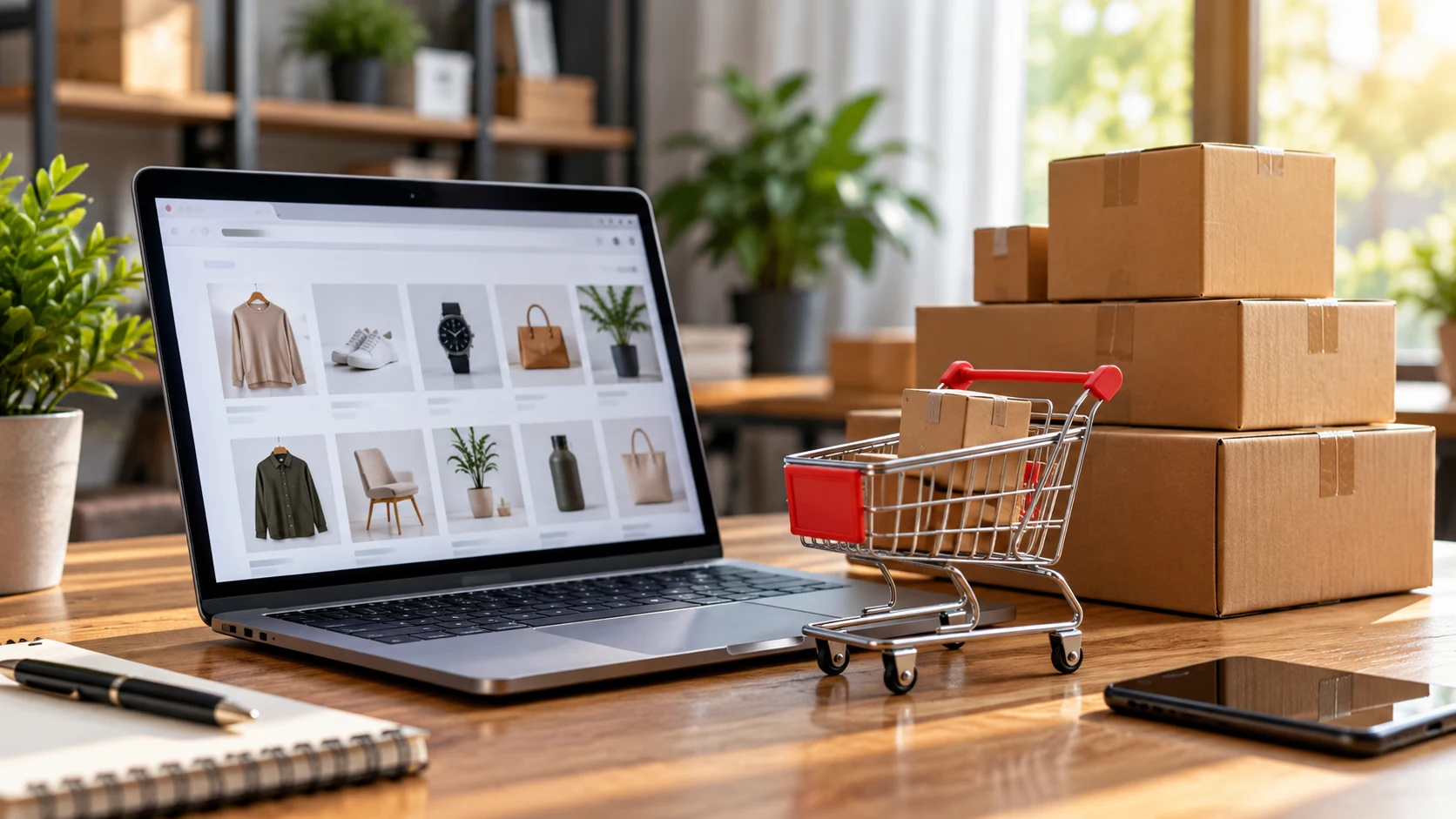
Begin with the buying decision
Influencer marketing for e-commerce and product launches works best when the content helps a real customer understand the product. Identify the main questions shoppers have: what it does, how it looks in use, which problem it solves, who it suits and what might make someone hesitate. Those questions help determine the creator profile and content format.
A demonstration, comparison, routine or unboxing may serve different purposes. Select a format based on the product and audience rather than assuming every launch needs the same deliverable.
Research creators in the category
Look for creators who regularly cover the product category or the use case around it. Review recent content for product demonstrations, honest explanations, audience questions and previous brand collaborations. A creator with a large general lifestyle audience may be less relevant than someone whose smaller audience actively follows the category.
For beauty, home, consumer electronics or other visual categories, check how the creator presents products and whether the content provides useful context. For products that require explanation, look for clear teaching and credible demonstrations.
Prepare the operational details
Before outreach, confirm sample availability, shipping regions, delivery deadlines, required assets, product claims, discount codes, tracking links and who will answer product questions. Do not ask a creator to make claims the brand cannot substantiate. Keep offer terms and stock information current.
The campaign brief should also define disclosure requirements, publication windows, approval boundaries and what content the brand may reuse. Usage rights should be discussed explicitly rather than assumed from the original post.
Measure more than immediate sales
Track relevant reach, product-page visits, code use, conversions and questions or objections that appear in comments. The right measures depend on the objective and buying cycle. Some people may discover a product through a creator and purchase later through another route, so explain the limits of the attribution setup.
Compare planned and actual costs, including creator fees, product, fulfilment, rights and paid distribution. This helps the team assess the full campaign rather than judging it on sales against a partial cost figure.
Make the next launch smarter
Record which creator types reached the intended audience, which formats answered customer questions and where the buying path created friction. Keep those learnings with the campaign record so the next product launch starts with evidence rather than a blank sheet.
Make the category requirements explicit
Check the audience's real problem
Keep a record of category-specific exclusions
Frequently asked questions
Who should own influencer marketing for e-commerce and product launches?
Assign one clear owner for the next action and name any approvers or contributors. Shared visibility prevents tasks from being lost between teams. For this topic, apply the guidance to “Influencer Marketing for E-commerce and Product Launches” by recording the evidence, the decision and the next action that fits the campaign brief.
What should be agreed before launch?
Confirm goals, deliverables, deadlines, compensation, rights, tracking, approval steps and reporting expectations before work begins. For this topic, apply the guidance to “Influencer Marketing for E-commerce and Product Launches” by recording the evidence, the decision and the next action that fits the campaign brief.
How can the team tell whether the process worked?
Compare the planned objective with observed evidence, note limitations and document what should be repeated or changed. For this topic, apply the guidance to “Influencer Marketing for E-commerce and Product Launches” by recording the evidence, the decision and the next action that fits the campaign brief.